
Key facts
SAN CRISTÓBAL DE LAS CASAS, Mexico — More than 1,500 members of Mexico’s Zapatista movement will begin a “Tour for Life” this Saturday, traveling from the southern state of Chiapas to Mexico City to meet with families of the disappeared and join forces in addressing the issue of the more than 130,000 people missing across the country.1
The Zapatista Army of National Liberation, the guerrilla group known as the EZLN that rose up against the Mexican state in 1994, never laid down its arms but for decades has chosen social activism and the self-governance of its territories as a way to continue fighting for Indigenous peoples and human rights.1
Members of the movement will depart San Cristóbal de las Casas in Chiapas in 35 buses and in Mexico City they will provide “thousands of ears” to listen to and embrace those searching for their relatives, according to a statement by one of its spokespeople, Subcomandante Moisés.1
Families of the disappeared share their stories
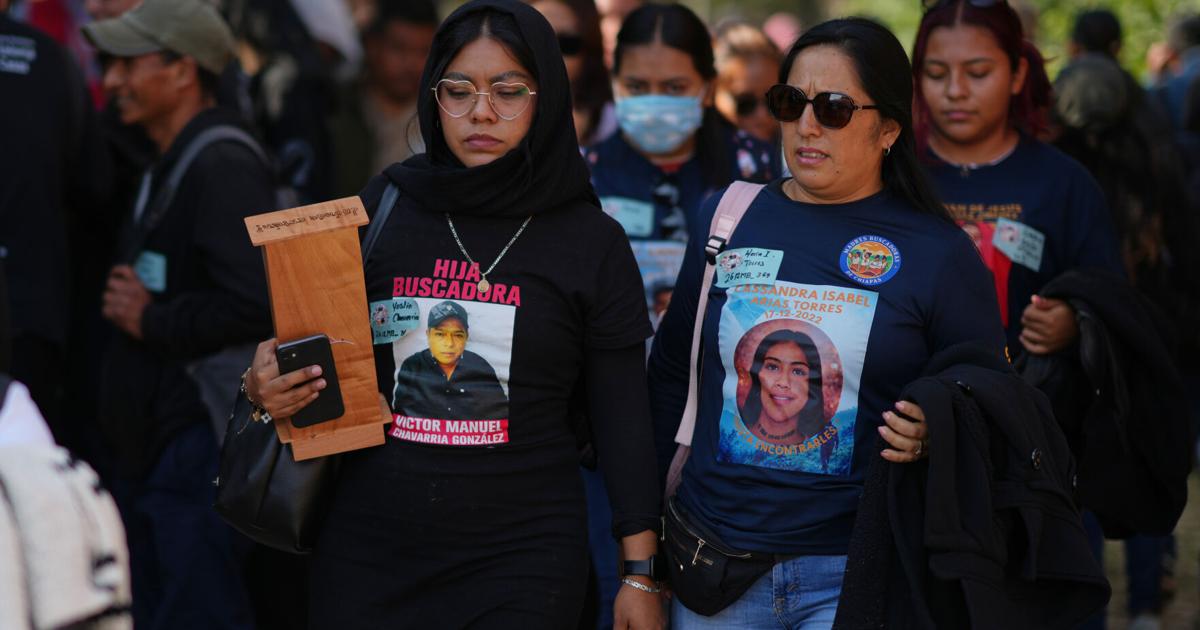
Some people with missing relatives were in San Cristóbal de las Casas to meet with the Zapatistas before the trip and they described their situations.1
Adriana Pérez said she lost track of her brother in San Cristóbal de las Casas six years ago while he was on his way from home to work.1
Liliana Pérez said she has two missing sons and complained that the Mexican army never helped her search for them, even though the eldest was an active-duty soldier in Chiapas.1
Guadalupe Morales explained how her brother disappeared in 2015 while he was harvesting grapes in the northern state of Sonora and decided to cross the border into the United States.1
Yoslín Chavarría, who has been searching for her father since 2023 and was holding a handcrafted Zapatista doll, said, “It was a warm embrace for our souls to be heard because so often the government wants to silence our voices.”1 “This is an opportunity for our missing people to be heard in different parts of the country.”1
Fernando Vargas, the father of an engineering student who went missing two years ago in the mountains south of Mexico’s capital, traveled to Chiapas to accompany the Zapatistas along the entire route.1
A long history of advocacy
For 32 years, the Zapatistas have raised their voices for the rights of Indigenous peoples, for human rights in general and to remind the world that they remain active.1
In 2001, the Zapatistas traveled across Mexico in a massive caravan.1
Five years later, the Zapatistas embarked on another tour calling for a different way of doing politics.1
In 2018, the Zapatistas nominated their own independent candidate for the presidential election.1
More recently, the Zapatistas set out on a symbolic journey to “invade” Europe, their way of commemorating the route taken in the opposite direction by the Spanish conquistadors 500 years earlier.1
The Zapatistas will be in Mexico City until January and plan to join a demonstration there on Dec. 19, when the U.N.’s newly declared International Day of Recognition for Women Searching for Missing Persons will be celebrated.1