
Key facts
- On November 27, 2026, the U.S. Fish and Wildlife Service proposed threatened species status under the Endangered Species Act.1
- The proposed threatened species status was issued under the Endangered Species Act, officials said.1
- The rule mandates federal recovery permits for university entomologists and field researchers studying the montane cienega pollinator, officials said.1
The U.S. Fish and Wildlife Service proposed threatened species status and a Section 4(d) rule for Ferris’s copper butterfly in Arizona, officials said.1
The 68-page rule, filed for public inspection on Nov. 27, 2026, is scheduled for official publication in the Federal Register Nov. 30, 2026, under docket No. FWS-R2-ES-2024-0158, officials said.1
Listing And Permit Rules
Under the statutory authority of 16 U.S. Code § 1533, the agency determined that Ferris’s copper butterfly warrants listing as a threatened species, concluding a 12-month review initiated by a petition from Forest Guardians, now WildEarth Guardians, officials said.1
The rule mandates federal recovery permits for university entomologists and field researchers studying the montane cienega pollinator, barring commercial collection while protecting scientific monitoring, officials said.1
A Rare White Mountain Butterfly
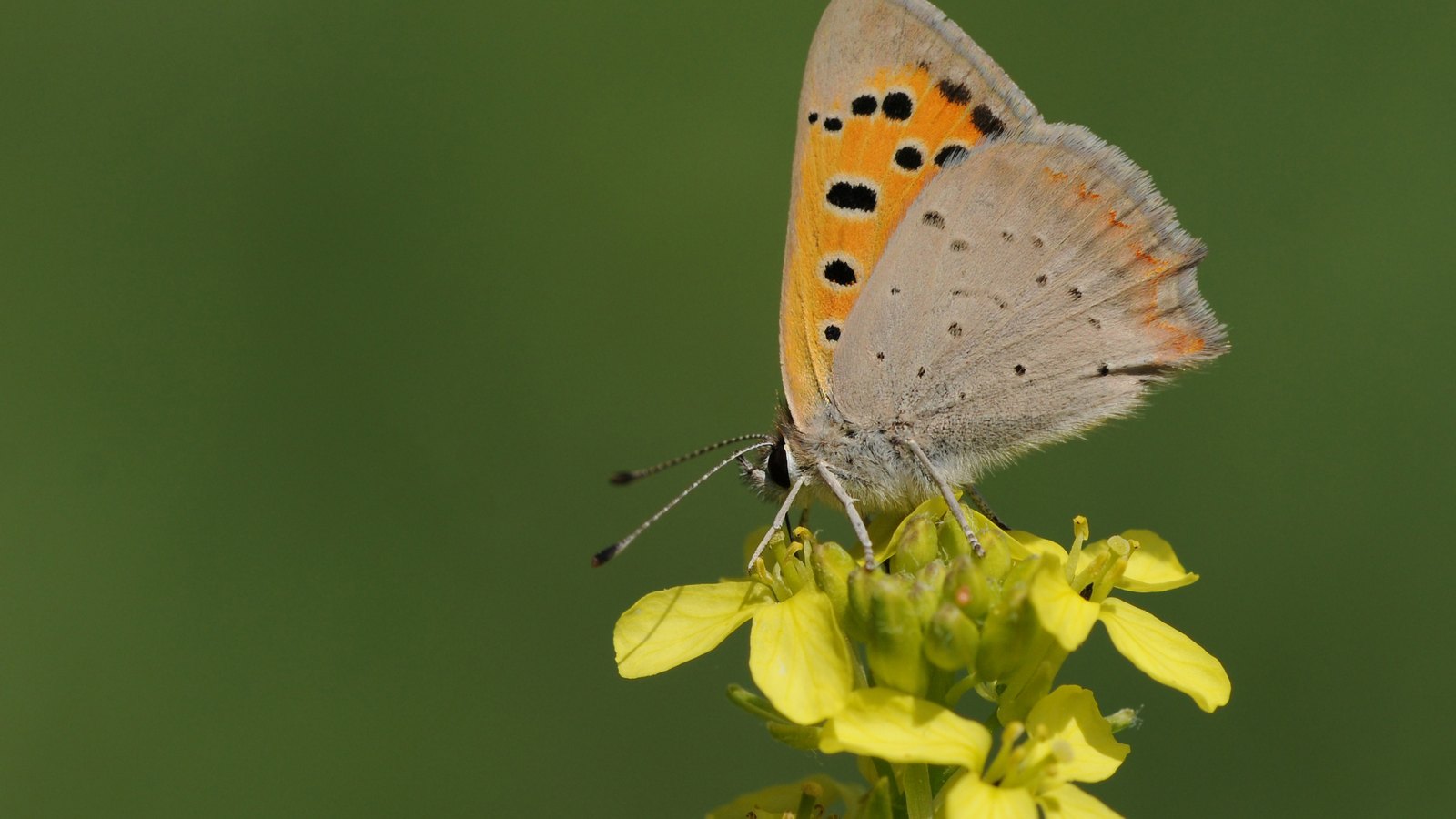
Ferris’s copper is a rare lycaenid butterfly endemic to the White Mountains of Apache and Greenlee Counties in east-central Arizona, officials said.1
The species occupies high-elevation perennial wet meadows, cienegas and low-order montane streams between 6,200 and 9,440 feet elevation, spanning 86 watersheds across 2,520 square miles, officials said.1
The range overlaps the Apache-Sitgreaves and Gila National Forests and reservation lands of the White Mountain Apache and San Carlos Apache Tribes, officials said.1
Climate Stress And Habitat Loss
The biological basis of the listing rests on a Species Status Assessment report evaluating the species' viability through resiliency, redundancy and representation, officials said.1
Ferris’s copper exhibits an obligate dependency on dock host plants in the genus Rumex, where females deposit eggs and larvae feed through successive molts, officials said.1
Predictive models project that by 2050, more than 73 percent of watersheds become unsuitable under moderate warming, with all suitable wet meadow habitat lost under high emissions by 2090, officials said.1
Taxonomy And Conservation
Ferris’s copper was originally recognized as a morphologically distinct sister taxon to the ruddy copper complex in 1977, distinguished by unique genital morphology and wing melanism resulting from pre-Pleistocene reproductive isolation, officials said.1
The Service formally adopted Lycaena ferrisi as a valid species in the SSA, officials said.1