
Key facts
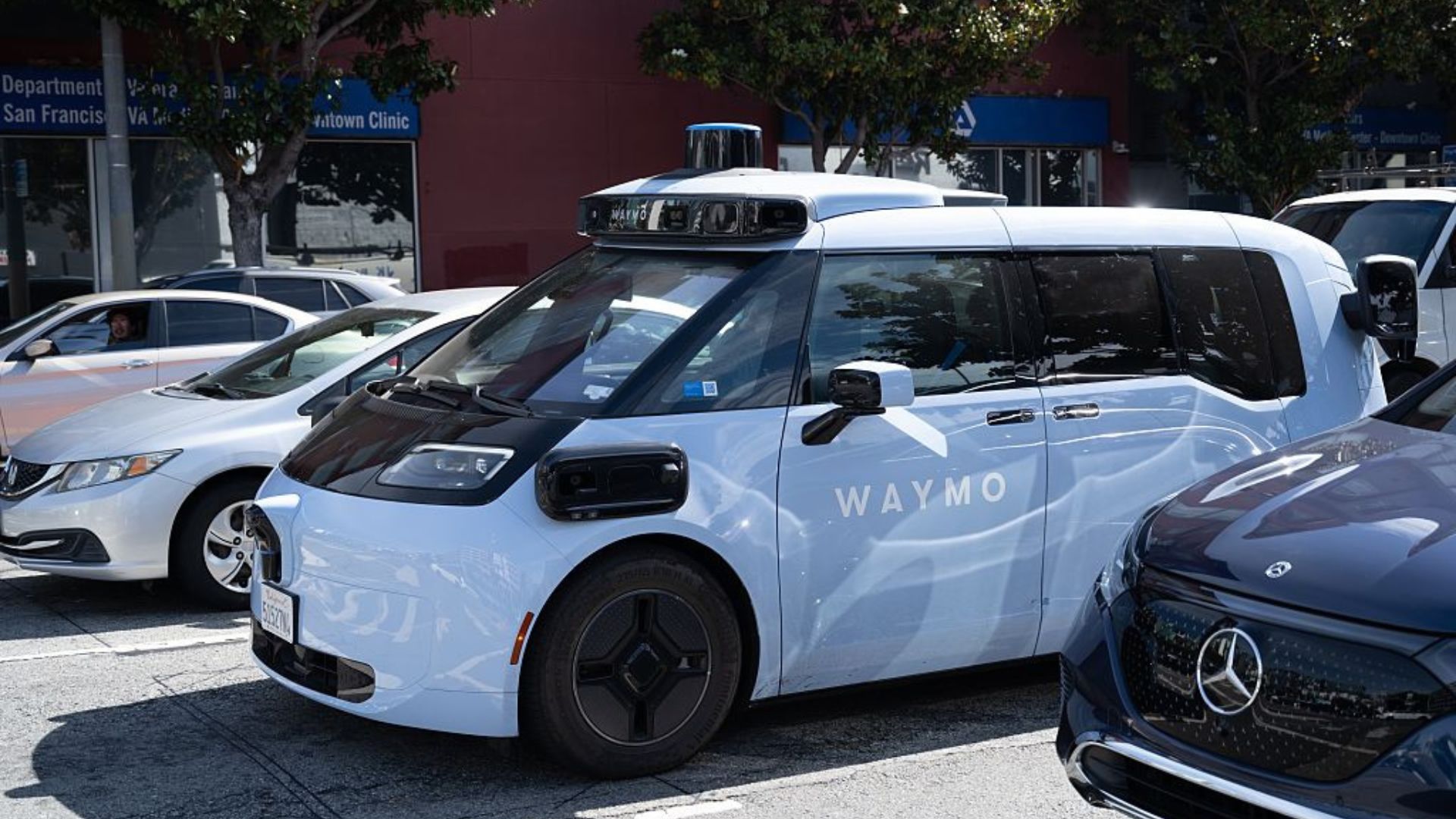
A Denver man has allegedly found an unusual way to disable Waymo’s driverless taxis.1
According to The New York Times, Waymo has linked the same individual to at least 30 incidents involving its autonomous vehicles in downtown Denver.1
The Denver District Attorney’s Office has so far declined to pursue criminal charges, describing the matter as civil while continuing to review evidence related to potential property damage.1
The incidents were detailed in a Denver Police Department report filed last month.1
The suspect drove ahead of a Waymo robotaxi.1
The suspect removed several orange traffic cones from the trunk of his vehicle.1
The suspect placed the cones around the autonomous car, preventing it from moving.1
Once the vehicle was effectively boxed in, the suspect allegedly threw eggs at it, either from inside his own car or after stepping out.1
The suspect then left the scene in a silver Toyota Corolla.1
Police said the vehicle belongs to a fleet leased to Lyft drivers.1
The individual has not been publicly identified.1
A Waymo investigator documented seven of the incidents and submitted them to police.1
None of the robotaxis suffered permanent damage.1
Each vehicle had to be removed from service for professional cleaning after being covered in egg residue.1
The cleaning costs totaled about $2,000.1
Investigators forwarded the case to prosecutors, who concluded that no criminal charges were warranted at this stage.1
A spokesperson for the district attorney’s office told the media that officials are continuing to gather evidence on potential damages while working with the city attorney to determine “the most appropriate legal mechanism” to stop the incidents.1
A passenger’s experience
At least one of the attacks occurred while a passenger was inside the vehicle.1
Jeff Hunley was riding in a Waymo robotaxi to Denver’s Union Station neighborhood in September.1
Hunley captured one of the incidents on video.1
Hunley later said he never felt unsafe during the encounter.1
Waymo refunded the cost of Hunley’s trip.1
A known tactic
Waymo’s self-driving software is designed to treat traffic cones as temporary road hazards and avoid driving through them.1
The tactic first gained attention in San Francisco in 2023, when activists demonstrated that placing a single traffic cone on the hood of a Waymo vehicle could temporarily disable it.1
Waymo launched its public robotaxi service in Denver on September 1, expanding to the city alongside San Diego and Tampa.1
The company now operates more than 100 autonomous vehicles across roughly 60 square miles of Denver.1
Earlier in November, California regulators ordered Waymo to suspend its fully driverless freeway operations after several vehicles entered active construction zones and another attempted to drive through a California Highway Patrol traffic break.1
Waymo subsequently paused freeway rides across all of its U.S. markets while it reviewed the system’s behavior.1
Last year, several of its Jaguar I-PACE robotaxis were set on fire during protests in Los Angeles.1