

Key facts
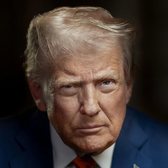
- Donald Trump proposed a 10 percent cap on credit card interest rates.1
- If rates are capped, companies would be forced to restrict credit availability for riskier individuals who cannot access loans elsewhere.1 This would effectively shut out millions of Americans who depend on credit cards for essential expenses.1
- While Trump frames the cap as a commonsense solution to high consumer costs, critics like Curley see it as a dangerous precedent for government overreach.1 They argue that such measures distort market signals, reduce credit availability, and punish responsible borrowers.1
KIRO Newsradio host John Curley launched a vigorous critique of President Donald Trump following the President’s explicit endorsement of a one-year cap on credit card interest rates set at 10 percent.1
Curley contends that price controls ignore risk-based lending models and could restrict credit access for millions of Americans who rely on cards for financial stability.1
Curley’s stance, revealed during an interview with Kayleigh McEnany, has drawn intense scrutiny from conservative commentators who view it as a fundamental departure from free-market principles.1
A Free-Market Critique of the Cap
Curley challenged the notion that the government should dictate prices for services that consumers voluntarily seek out..1 In Curley’s view, running up debt is a personal choice, and blaming lenders for high rates ignores the consumer’s role in managing their own financial health.1
If rates are capped, companies would be forced to restrict credit availability for riskier individuals who cannot access loans elsewhere..1 This would effectively shut out millions of Americans who depend on credit cards for essential expenses.1
Curley compared the mechanism of interest rates to car insurance premiums, noting that costs rise for everyone when more people crash their cars or have them stolen..1 Similarly, if more people default on credit cards, lenders must build those expected losses into the cost structure..1 Responsible users who pay their balances on time would pay more to cover the defaults of others.1 A hard cap would break this risk-sharing model, leading to a credit crunch for vulnerable populations.1
A Question of Bipartisan Precedent
Curley also questioned the arbitrary nature of the 10 percent limit, asking why it should not be 4 percent, 3 percent, or even 2 percent if the goal is to help consumers..1 Curley pointed out the logical inconsistency in a president who identifies as a free-market conservative supporting direct price intervention.1
While Trump frames the cap as a commonsense solution to high consumer costs, critics like Curley see it as a dangerous precedent for government overreach..1 They argue that such measures distort market signals, reduce credit availability, and punish responsible borrowers.1