
Key facts
Chicago drivers could wake up to at least $360 in fees if they park on the wrong streets overnight this winter.1
The city’s annual overnight parking ban begins Tuesday, restricting parking on 107 miles of major streets.1
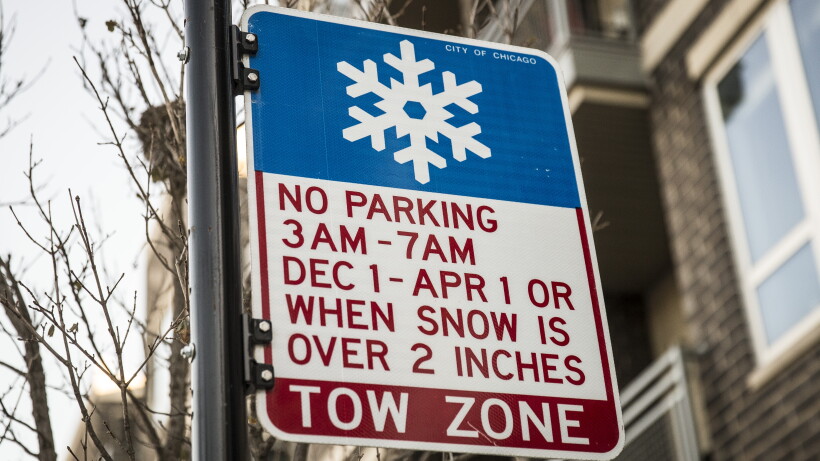
The ban is enforced from 3 a.m. to 7 a.m. every day from Dec. 1 through April 1.1
Higher towing fees this winter
Vehicles parked in violation of the ban will be towed, and the cost is up significantly from last winter.1
Owners will face a minimum towing fee of $250, up from $150 last year, a $60 ticket and a $50 daily storage fee, which has doubled from $25.1
The fees had remained unchanged for more than a decade before January of this year, when the department first increased them.1
Where the ban applies
The ban is enforced regardless of snow on 107 miles of main streets throughout the city from 3 to 7 a.m.2
DSS works to clear the city’s main streets and DuSable Lake Shore Drive first after a snowfall to ensure that roads are safe and passable for motorists, buses and emergency vehicles.2
Vehicles in violation of the ban will be towed to Pounds 2 (10301 S. Doty Ave.) or Pound 6 (701 N. Sacramento Ave.).1 2
The city tows an average of 60 to 65 vehicles per night throughout the winter season for violations of the overnight parking ban.1
Separate from the 2-inch snow parking ban
The overnight ban is separate from the city’s 2-inch snow parking ban, which applies to another 500 miles of main streets.1
The 2-inch snow parking ban can take effect whenever at least two inches of snow accumulate on the street, regardless of the time of day or date.1
Drivers parked on affected streets during a snowstorm could receive a ticket or have their vehicles relocated to make way for snow-clearing operations.1
How to check affected streets
The Department of Streets and Sanitation is reminding motorists that the Chicago winter overnight parking ban begins on Tuesday, Dec. 1 and is in effect through April 1, 2027.2
Drivers can check whether their street is affected by viewing the city’s parking ban map.1
Signage is permanently posted along the affected routes, and DSS posts flyers on cars parked on the streets affected by the parking ban as an additional reminder before restrictions begin.1 2